
Home Remodel Timeline Guide: How Long Should Each Phase Take?
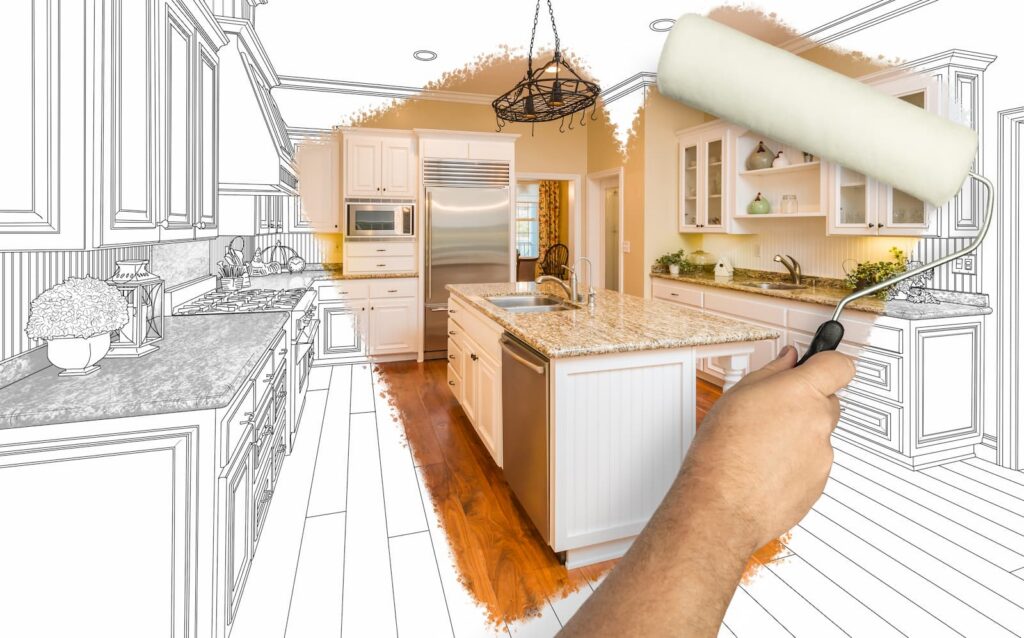
A home remodel is exciting, but it can also feel stressful when homeowners do not know what to expect. Whether you are planning a kitchen update, bathroom renovation, new flooring, window replacement, or a larger home improvement project, the timeline depends on the scope of work, materials, permits, and the home’s condition. At Hobbs Home Improvements, we believe clear communication helps Northeast Ohio homeowners feel more confident from the first consultation to the final walkthrough.
What a Typical Home Remodel Timeline Looks Like
Smaller projects often move faster, while larger remodels require more planning and coordination. A basic bathroom update may take a few weeks once materials are ready, while a full bathroom remodeling project with layout changes, plumbing updates, and custom finishes can take longer.
A kitchen remodeling project usually takes longer because it involves cabinetry, countertops, plumbing, electrical work, flooring, appliances, and finish details. A simple refresh may be completed in a shorter window, while a full kitchen renovation can take several weeks or more, depending on the design.
Projects like windows and doors may have a shorter installation phase, but homeowners should still account for measuring, ordering, delivery, and scheduling. Whole-home remodels or multiple-room projects can take months because several trades and phases need to be carefully coordinated.
The Main Remodeling Timeline Phases
Most remodels begin with planning and design. This is where homeowners choose the project scope, discuss goals, review materials, and confirm budget expectations. Taking time during this stage helps reduce confusion later.
Next comes ordering and scheduling. Some materials may arrive quickly, while custom items can take longer. Once the project is ready to begin, demolition removes the existing materials and prepares the space for construction.
The rough construction phase may include framing, plumbing, electrical work, ventilation, and other behind-the-wall updates. After that, finishing work begins. This can include cabinets, tile, flooring, trim, fixtures, paint, doors, and final details.
The last phase includes inspection, cleanup, final adjustments, and the walkthrough. This is when the contractor confirms the work is complete, and the homeowner can review the finished space.
What Can Delay a Remodel?
Even well-planned remodels can face delays. Permits, weather, material availability, and subcontractor scheduling can all affect the timeline. In Northeast Ohio, seasonal weather can also play a role, especially for exterior work or projects that involve deliveries and outdoor access.
Hidden issues are another common factor. Once demolition begins, contractors may uncover water damage, outdated wiring, structural concerns, or previous work that needs correction. Scope changes can also extend a project, especially when homeowners decide to add new features or upgrade materials after work has started.
Homeowner decisions matter too. Choosing finishes, approving layouts, and responding to questions quickly can help keep the project moving.
How to Keep Your Remodel Moving Smoothly
The best way to protect your remodel timeline is to plan early, make key decisions before construction starts, and work with a contractor who communicates clearly. Review your priorities, understand which materials may require longer lead times, and ask how scheduling will be handled before work begins.
Hobbs Home Improvements helps homeowners set realistic expectations and understand what each remodeling phase involves. Our team values organization, honesty, and quality workmanship, so you know what is happening throughout the process. You can also view our work to see how thoughtful planning leads to stronger results.
If you are ready to plan your next project, contact us to request a free estimate and talk through your home remodel timeline.
Image Source: Andy Dean Photography / Shutterstock